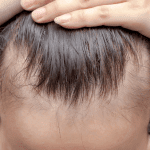
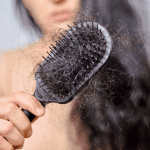
Hair loss affects millions of people worldwide, and it can be emotionally and financially stressful, particularly when it occurs unexpectedly or at a young age. Many of us think hair loss is something that only happens to other people – but sadly, the statistics tell a different story.
The reality is that hair loss stems from numerous different factors, some treatable and others permanent. This comprehensive guide explores the various types of hair loss, their underlying causes, and what can be done to address them. Whether you’re trying to understand what’s happening to yourself or a loved one, this information will help you navigate your options and find the right path forward.
What are the most common types of hair loss?
Hair loss manifests in several distinct forms, each with unique characteristics and progression patterns.
Androgenetic Alopecia (Pattern Baldness)
Androgenetic alopecia stands as the most prevalent form of hair loss, affecting both men and women. This hereditary condition occurs when your body produces excess dihydrotestosterone (DHT), a hormone that significantly impacts hair follicles.
As WebMD explains, “DHT is a sex hormone that is a derivative of testosterone, but excess amounts of this hormone can affect the hair follicles. DHT interferes with the hair’s growth cycle, shrinking and shortening the hair, making it easier for it to fall out and more difficult for it to grow back.”
Male Pattern Hair Loss typically begins with gradual crown thinning and hairline recession, often creating an M-shaped pattern as it progresses. Men may notice an expanding bald spot at the top of their heads alongside the receding hairline.
Female Pattern Hair Loss presents differently, with women experiencing more diffuse thinning across the scalp rather than distinct bald patches. They’re more likely to notice eyebrow recession or a widening part line.
Currently, there’s no cure for androgenetic alopecia, though it can be effectively managed through medications or surgical interventions.
Alopecia Areata
This autoimmune condition causes your immune system to mistakenly attack hair follicles, preventing them from producing new hair. Alopecia areata can strike at any age and affects people of all backgrounds.
The condition typically presents as smooth, flat patches of hair loss on the scalp or body, including eyebrows and eyelashes. These bald patches vary in size and shape and may disappear for months before reappearing elsewhere on the body.
Telogen Effluvium
When hair prematurely enters its resting (telogen) phase and fails to restart the normal growth cycle, telogen effluvium occurs. This temporary condition often results from underlying medical issues such as thyroid problems, iron deficiency anaemia, or significant physical or emotional stress.
Certain medications can trigger this type of hair loss, including acne treatments, blood thinners like Warfarin, and hormonal changes from starting or stopping contraceptives. The encouraging news is that with proper treatment addressing the underlying cause, hair typically regrows within a few months.
What causes different types of hair loss?
Understanding the root causes helps determine the most appropriate treatment approach.
Genetic and Hormonal Factors
Family history plays the most significant role in androgenetic alopecia. Hormonal fluctuations during pregnancy, menopause, or thyroid disorders can also dramatically affect hair growth cycles.
Medical Conditions and Treatments
Several medical conditions contribute to hair loss:
Anagen Effluvium occurs when hair follicles suffer damage or destruction, commonly from chemotherapy, radiation therapy, or medications targeting fast-growing cells. Hair loss typically begins one to three months after treatment starts but can occur up to six months post-treatment.
Scalp infections, such as Tinea Capitis (scalp ringworm), cause hair loss, itching, and scaling due to a fungal infection. When caught early, antifungal treatments usually result in complete hair regrowth.
Scarring (Cicatricial) Alopecia Types
Several conditions cause permanent hair loss through follicle destruction and scar tissue formation:
Cicatricial Alopecia results from inflammation that permanently damages follicles, commonly appearing as patchy baldness on the temples and the back of the head.
Lichen Planopilaris affects more women than men, causing scalp irritation and a dry, flaky rash before hair falls out in clumps.
Discoid Lupus Erythematosus is a chronic autoimmune skin condition causing inflammation, hair loss, and light sensitivity.
Folliculitis Decalvans occurs when inflamed hair follicles break open, forming pustules and resulting in hair loss weeks later.
Frontal Fibrosing Alopecia (FFA) progressively affects the frontal hairline, often beginning with eyebrow loss and typically starting in adulthood.
Central Centrifugal Cicatricial Alopecia results from over-styling and excessive use of harsh hair products and chemicals, leading to permanent follicle damage if not addressed early.
Physical Trauma and Styling Practices
Traction Alopecia develops when hair experiences prolonged tension from tight hairstyles like ponytails, cornrows, braids, extensions, or tight-fitting head coverings. Early intervention can reverse this condition, but continued tension may cause permanent damage.
Loose Anagen Syndrome is a rare condition where hair detaches easily from follicles, typically affecting children. Hair appears to stop growing at a certain length before falling away, often exacerbated by friction or harsh styling.
Psychological Factors
Trichotillomania is an impulse control disorder causing people to compulsively pull out their own hair. Often linked to anxiety, depression, or obsessive-compulsive disorder, this condition requires specialised treatment, including medication, cognitive behavioural therapy, or hypnosis.
How is hair loss properly diagnosed?
Accurate diagnosis requires professional evaluation involving several steps:
- Comprehensive scalp examination to assess hair loss patterns, scalp health, and follicle condition
- Detailed medical history review covering family history, recent stressors, medical conditions, and current medications
- Pull test to evaluate the extent of active hair shedding
- Scalp biopsy when scarring or autoimmune activity is suspected
- Blood tests to identify hormonal imbalances, nutritional deficiencies, or underlying medical conditions
Professional diagnosis ensures you receive the most appropriate treatment for your specific type of hair loss.
What treatment options are available?
Treatment approaches vary significantly based on the type of hair loss and its underlying cause.
Medical Treatments
FDA-approved medications like minoxidil and finasteride effectively treat androgenetic alopecia. Topical or injected corticosteroids help manage alopecia areata symptoms. Addressing underlying medical conditions often resolves temporary hair loss conditions like telogen effluvium.
Surgical Options
Hair transplant surgery can redistribute healthy follicles to thinning areas, providing permanent results for suitable candidates with adequate donor hair.
Emerging Therapies
Promising new treatments include platelet-rich plasma (PRP) injections and low-level laser therapy, both showing potential for stimulating hair regrowth in certain conditions.
Lifestyle Modifications
Simple changes can significantly impact hair health: improving nutrition, managing stress levels, avoiding damaging hairstyles, and stopping the use of harsh chemicals or excessive heat styling.
How can hair systems help during treatment or permanent loss?
When medical treatments need time to work or aren’t suitable, hair replacement options provide immediate confidence restoration.
Hair Toppers offer targeted coverage for thinning crowns or widening part lines while blending seamlessly with existing hair. These partial hairpieces don’t damage remaining hair and provide a non-invasive solution.
Wigs provide complete coverage for extensive hair loss, offering immediate transformation and helping maintain your desired appearance while pursuing treatment or accepting permanent changes.
Both options greatly reduce anxiety related to appearance changes and support emotional well-being during challenging times.
What emotional support is available?
Hair loss often triggers decreased self-esteem, anxiety, depression, or social withdrawal. The grief over changing appearance is completely normal and valid.
Support resources include professional counselling, support groups, and consultations with hair loss specialists who provide both emotional guidance and practical solutions. Many people find that addressing both the physical and emotional aspects of hair loss leads to better overall outcomes.
Prevention strategies: Can some hair loss be avoided?
While genetic predisposition can’t be changed, several preventive measures help minimize avoidable hair loss:
- Avoid excessive tension from tight hairstyles
- Give hair regular breaks from extensions, braids, or restrictive styles
- Use gentle hair care products and minimise chemical processing
- Maintain a balanced diet rich in essential nutrients
- Manage stress through healthy coping mechanisms
- Address medical conditions promptly
- Avoid harsh brushing, especially when hair is wet
Early intervention often yields the best results, so don’t hesitate to seek professional advice when you notice changes.
Moving forward with confidence
Understanding the different types of hair loss and their underlying causes empowers you to make informed decisions about prevention and treatment. Whether you’re dealing with temporary shedding that will resolve with proper care or permanent changes requiring ongoing management, remember that effective solutions exist.
If you’re experiencing hair loss that may take time to improve or is permanent, don’t suffer in silence. We can honestly say from personal experience that there are amazing wig and hair piece options available today that you’ll genuinely love wearing.
When you’re ready to explore your options or even if you’re just curious about what’s available, pick up the phone and call us. We’re here to support you through every step of your hair loss journey with compassion, expertise, and solutions that help restore your confidence.
This comprehensive guide combines the latest medical understanding with practical solutions, helping you navigate hair loss with knowledge and hope for the future.