Hello, I’m Amanda. My journey began 23 years ago when I founded Hair to Ware, a haven for individuals dealing with hair loss in Ware, Hertfordshire. My own encounter with Alopecia Totalis at 14 deeply ingrained in me the complexities and emotional nuances of hair loss.
I wish to share insights and advice on compassionately supporting loved ones undergoing this often misunderstood challenge, drawing from a wealth of personal and professional experiences.
Table of Contents
The Reality of Wig Wearing
We understand that it can be difficult to find the right words to comfort someone who is dealing with a loss. In the case of some illnesses and medical treatments, hair loss is inevitable – but it doesn’t make it any easier to cope with. Hair loss can be crushing and result in profound mental and emotional pain that others simply cannot comprehend.
This means that we must be tactful with our words, carefully considering how they may be perceived by someone dealing with this deeply personal issue.
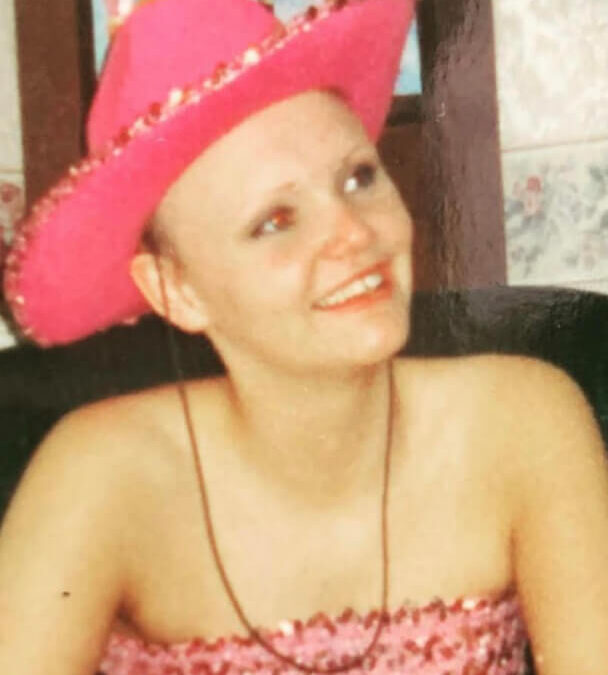
The following are comments that we’ve heard in our salon. We hope that by highlighting these, you can avoid any insensitive remarks that may make someone feel uncomfortable or distressed.
- Common Misconception: “Wearing a wig must be convenient, saving you from daily hair styling.”
- Deeper Insight: The reality is that wigs demand significant care. They need to be washed, styled, and maintained regularly, much like natural hair. This process can be time-consuming and requires a level of commitment often unseen by others.
- Misplaced Encouragement: “Go for a completely different look. Go mega glam! If you can’t now, when can you?”
- Empathetic Insight: In the face of hair loss, many find solace in maintaining their familiar appearance. It’s a way of preserving a sense of normalcy and identity during a period that feels anything but normal.
- Casual Suggestion: “Have you thought about a pink wig? It could be fun!”
- Thoughtful Perspective: Choosing a hair colour isn’t just about aesthetics; it’s about feeling comfortable and true to oneself. For many, natural hair colours offer a connection to their identity, which is especially important during a time of significant change.
- Common Understatement: “It’s only hair.”
- Compassionate Acknowledgement: The loss of hair can be a deeply personal and distressing experience. It’s not just about losing hair but about the profound emotional impact it has on one’s sense of self and normality.
- Seemingly Supportive Comment: “I might just shave my hair off and wear a wig”
- Nuanced Clarification: Deciding to wear a wig, often a consequence of medical treatments like chemotherapy, is a profound and personal decision. It’s a way to exercise control in a situation where one often feels powerless.
- Insensitive Remark: “At least you’re not dying!” (Often said to our alopecia clients.)
- Sensitive Approach: Each person’s journey with hair loss, like alopecia, is unique. Comparing it to other health conditions diminishes their personal struggle. Empathy means acknowledging each journey as distinct and challenging in its own right.
- Well-Intentioned Advice: “Have you tried this new treatment or remedy?”
- Gentle Reminder: It’s important to respect the decisions and treatment plans your loved one has chosen, often in consultation with healthcare professionals. Unsolicited advice, however well-meaning, can sometimes feel overwhelming or dismissive of their current approach.
Fostering Understanding When Dealing with Hair Loss
The old adage that you can’t understand a person’s situation until you’ve walked a mile in their shoes holds true in this case. Each person’s journey with hair loss – no matter the cause – is unique and difficult.
Our gentle team at Hair to Ware is dedicated to a mission that extends beyond hair loss solutions; it’s about nurturing a supportive community where individuals can share their experiences and feel understood. Let’s embrace the journey together, offering our love, understanding, and support, making this challenging path a shared experience filled with compassion and empathy.
Practical Ways to Support Someone Dealing with Hair Loss
Supporting someone through hair loss involves more than just choosing the right words. Here are practical ways you can help:
Offering Assistance with Daily Adaptations
- Help with research: Offer to research wig suppliers, hair care products, or treatment options together
- Shopping support: Accompany them to wig fittings or hat shopping if they’d appreciate the company
- Scalp care assistance: Help them learn about gentle scalp care routines or offer to apply treatments if they’re comfortable
- Routine adjustments: Understand that their morning routine may take longer and offer practical support like extra time for outings
Creating a Comfortable Environment
- Home comfort: Ensure your home is a safe space where they can remove wigs or head coverings without judgment
- Social situations: Privately check with them about comfort levels before group gatherings or photos
- Weather considerations: Be mindful of sun exposure (scarves/hats) or wind concerns when making outdoor plans
Professional Support and NHS Resources in the UK
If someone you care about is dealing with hair loss and seems to be struggling, professional support is available through the NHS and other UK organisations.
NHS Mental Health Support
Your GP may be able to help arrange counselling if hair loss is causing distress. NHS Talking Therapies (formerly IAPT) offers free mental health support, including cognitive behavioural therapy (CBT), which can be beneficial for those dealing with the emotional impact of hair loss.
Specialist NHS Services
Several NHS trusts offer dedicated hair loss support:
- Royal Free London provides hair loss support through their Macmillan information centres, including sample wigs, scarves, and turbans, plus online sessions for scarf-tying techniques
- Leeds Teaching Hospitals NHS Trust offers Hair Loss Workshops – contact Leeds Cancer Support on 0113 2066498
When to Encourage Professional Help
Suggest professional support if they experience:
- Persistent anxiety or depression related to their appearance
- Avoidance of social situations or work
- Relationship difficulties stemming from hair loss
- Sleep problems or significant mood changes
- If hair loss is affecting their relationship with a partner, couples counselling may help
Help for People Dealing with Hair Loss: UK Support Networks and Communities
Alopecia UK
The NHS recommends finding support groups through the Alopecia UK website. Established in 2004, Alopecia UK is a nationally renowned charity that specialises in improving the lives of those affected by alopecia through support, awareness campaigns and research.
Services include:
- Local support groups across the UK for adults, young people, and children
- Online support groups
- Information resources and advocacy support
Contact: Visit www.alopecia.org.uk to find local groups or online communities
Cancer Hair Care
Cancer Hair Care offers a free hair loss advisory service led by trained NHS Clinical Specialists, particularly valuable for those experiencing chemotherapy-induced hair loss.
Contact: www.cancerhaircare.co.uk
Local Support Options
Many UK cities have local support groups. Encourage them to:
- Search for “[city name] hair loss support group”
- Contact local cancer charities, which often support all types of hair loss
- Check community centres for support meetings
Supporting Children and Teenagers with Hair Loss
Hair loss in young people requires special sensitivity and different approaches than supporting adults.
Understanding the Unique Challenges of Hair Loss
- Identity formation: Hair loss during formative years can significantly impact self-identity
- School environment: Bullying, staring, and questions from peers require careful navigation
- Social development: Fear of standing out may affect their willingness to participate in activities
- Family dynamics: The whole family needs support and coping strategies
Age-Appropriate Communication
For Children (5-12 years):
- Use simple, honest language: “Your hair is taking a rest, but you’re still you”
- Focus on their interests and achievements beyond appearance
- Read books together about differences and acceptance
- Allow them to lead conversations about their hair
For Teenagers (13-18 years):
- Respect their autonomy in deciding who to tell and when
- Acknowledge that this is genuinely difficult without minimising their feelings
- Support their choices about wigs, hats, or going without coverage
- Help them practice responses to questions from peers
UK Resources for Young People Dealing with Hair Loss
Alopecia UK provides specific advice for children and young people with fact sheets for varying age groups and face-to-face support groups. They offer dedicated children and teen support groups across the UK.
Supporting Parents and Families
- Connect them with other families going through similar experiences
- Understand that parents may also be grieving and need support
- Help research school policies on head coverings, if needed
- Offer to help explain the situation to teachers or school friends if requested
Understanding Different Types of Hair Loss
Different causes of hair loss may require varied approaches to support:
Alopecia Areata and Autoimmune Conditions
- Unpredictable nature: Hair may regrow and fall out again unpredictably
- No cure currently available: Focus support on emotional coping rather than “fixing”
- Systemic impact: May be part of broader autoimmune issues requiring ongoing medical care
Medical Treatment-Related Hair Loss
- Temporary vs. permanent: Help them understand and cope with uncertainty about regrowth
- Treatment priorities: Respect that hair loss may be secondary to life-saving treatment
- Physical sensitivity: Scalp may be tender; offer gentle, practical support
Genetic/Androgenetic Alopecia
- Progressive nature: Understand this typically worsens over time
- Treatment options: While NHS hair transplants aren’t typically available, various treatments exist
- Long-term adjustment: Support may be needed over many years
Stress or Illness-Related Hair Loss
- Addressing root causes: Encourage treatment of underlying conditions
- Temporary nature: Provide hope while acknowledging current distress
- Holistic support: Consider stress management, nutrition, and overall health

Practical Gift Ideas and Thoughtful Gestures for People Dealing with Hair Loss
Appropriate Gifts
- Comfortable head coverings: Soft bamboo caps, silk scarves, or cosy beanies
- Skincare products: Gentle, fragrance-free moisturisers for sensitive scalps
- Comfort items: Weighted blankets, aromatherapy, or relaxation aids
- Normal treats: Their favourite foods, books, or hobby-related items
Gifts to Avoid
- Hair growth products or treatments, unless specifically requested
- Anything that implies they need “fixing”
- Items that draw attention to their hair loss
Thoughtful Gestures
- Continue normal social invitations while being flexible about timing and locations
- Offer practical help like lifts to appointments or meal preparation
- Send supportive messages without expecting immediate responses
- Include them in group photos and activities as you normally would
When and How to Follow Up
Timing Your Support
- Initial diagnosis/onset: Immediate practical and emotional support
- Ongoing journey: Regular but not overwhelming check-ins
- Special occasions: Extra sensitivity around birthdays, social events, or family photos
- Treatment milestones: Support during medical appointments or treatment decisions
Effective Follow-Up Strategies
- Text rather than call: Allows them to respond when ready
- Specific offers: “Can I bring dinner Tuesday?” rather than “Let me know if you need anything”
- Consistent availability: Be reliable without being overwhelming
- Long-term perspective: Remember, this is an ongoing journey, not a temporary setback
Remember that supporting someone through hair loss is about consistency, respect, and understanding that this journey affects everyone differently. Your presence and acceptance matter more than having perfect words or solutions.
Additional UK Resources and Contacts
- NHS Hair Loss Information: www.nhs.uk/symptoms/hair-loss/
- NHS Talking Therapies: Contact your local IAPT service or ask your GP for a referral
- Alopecia UK: www.alopecia.org.uk | Support groups and resources nationwide
- Cancer Hair Care: www.cancerhaircare.co.uk | Free advisory service
- Look Good Feel Better: www.lookgoodfeelbetter.co.uk | Beauty workshops and support
- Cancer Support UK: www.cancersupportuk.org | Comprehensive cancer support services
- Maggie’s Centres: www.maggies.org | Practical and emotional cancer support
- Little Princess Trust: www.littleprincesses.org.uk | Free wigs for children and young people
- Samaritans: 116 123 (free, 24/7) for emotional support crises