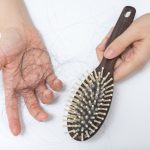
You’ve started your Mounjaro journey, feeling good about your health choices. Then one morning, you notice more hair in your brush than usual. It’s worrying, we get it.
But here’s what you need to know: hair thinning on Mounjaro is temporary, manageable, and you’re far from alone in experiencing it.
We want to highlight why this happens, how long it lasts, what you can do about it, and how temporary solutions like toppers or hair systems from Hair to Ware can keep you feeling confident throughout your treatment.
What is Mounjaro?
Mounjaro contains tirzepatide, a medication initially developed for type 2 diabetes that’s become popular for weight management. It works by mimicking two hormones that help regulate blood sugar and appetite.
The results can be impressive. Patients lose an average of 21% of their starting body weight after 18 months. That’s brilliant for your health, but rapid weight loss can come with an unexpected side effect: temporary hair shedding.
Does Mounjaro directly cause hair loss?
No. Hair loss was not a primary reported side effect in Mounjaro’s clinical trials, though some trials reported it in 4.9-5.7% of users, compared with 0.9% on placebo.
The medication itself isn’t causing hair loss. Experts believe it’s the rapid weight loss triggering the shedding, not the drug directly.
Your body sees significant weight loss as a stressor. When many hair follicles shift into the resting phase at once, causing noticeable thinning, this is called telogen effluvium. It’s your body prioritising essential functions over hair growth.
How does rapid weight loss trigger shedding?
Your hair grows in cycles. Most of the time, about 85-90% of your hair is actively growing. But stressors like rapid weight loss can shift many follicles into the shedding phase simultaneously.
There are several reasons this happens:
Nutritional gaps: When you’re eating fewer calories, your body may not get enough biotin, zinc, iron, and protein, which are all essential for healthy hair. Mounjaro reduces your appetite, which can make it harder to meet your nutritional needs.
Physical stress: Your body experiences sudden weight loss as a form of stress. Hair growth isn’t considered essential for survival, so it’s one of the first things your body deprioritises.
Hormonal shifts: Rapid weight loss can disrupt thyroid hormones, oestrogen, and androgens, all of which play key roles in hair growth.
When does hair loss start?
Hair loss from telogen effluvium doesn’t happen immediately. It can take up to three months after weight loss to see thinning. You might not make the connection between starting Mounjaro and noticing hair loss because of this delay.
Hair shedding usually starts two to three months after the trigger and lasts around six months before regrowth begins. This means by the time you notice the problem, your body may already be preparing to recover.
How long will it last?
The good news is that Mounjaro hair shedding is often temporary and reversible, with most people expecting regrowth within three to six months after shedding begins.
Most patients (around 95%) experience recovery of telogen effluvium within three to six months after the stressor stabilises, though full hair thickness may take longer.
Can you prevent hair loss on Mounjaro?
You can’t completely prevent it, but you can minimise the impact. Aim for 25-30g of protein per meal to give your body the fuel it needs. Protein is the building block of hair.
If possible, keep your weight loss gradual. Healthcare professionals typically recommend losing only 5-10% of your body weight over six months. Slower, steadier weight loss puts less stress on your body.
Consider supplements. Your healthcare team might suggest a daily multivitamin or specific supplements like biotin, iron, or vitamin D. Always check with your doctor before adding supplements, as they can assess whether you have deficiencies.
Work with a registered dietitian. They can help you develop a nutrition plan that supports both your weight management and hair health.
What about managing hair loss now?
If you’re already experiencing thinning, don’t panic. There are practical solutions.
Gentle hair care: Avoid harsh brushing, heat styling, and chemical treatments. Be kind to the hair you have whilst your body recovers.
Minoxidil: This over-the-counter treatment can help stimulate hair growth and may reduce hair loss from telogen effluvium. Chat with your doctor about whether it’s right for you.
Temporary coverage: Sometimes you just want to feel like yourself whilst waiting for regrowth. (This is where Hair to Ware comes in.)
Should you stop taking Mounjaro?
You shouldn’t stop taking Mounjaro if you notice hair thinning without speaking with your doctor. The hair loss is likely temporary, whilst the health benefits of managing your diabetes or weight are ongoing. Your doctor can assess whether there are underlying causes, such as nutritional deficiencies or thyroid issues, that need addressing.
If hair loss lasts longer than six months or you develop other symptoms like brittle nails or tiredness, speak to your doctor as this could signal an underlying condition.
Temporary Hair Systems: a confidence boost
Waiting for hair to regrow is tough, especially when you’re out living your life. Temporary hair systems offer an immediate solution that lets you feel confident while your body recovers.
Modern systems have come a long way. They look natural, feel comfortable, and nobody needs to know you’re wearing one unless you tell them. Hair to Ware specialises in temporary solutions that work with your lifestyle, not against it.
Benefits include:
- Instant confidence: No more worrying about thinning patches or scalp visibility
- Variety: Try different styles, colours, or lengths whilst you wait
- Protection: Give your natural hair a break from styling stress
- Flexibility: Wear them when you want, leave them off when you don’t
Choosing the right temporary hair system
Look for lightweight, breathable materials that won’t irritate your scalp. Lace-front systems offer the most natural hairline appearance. Consider starting with a topper in a colour and style similar to your natural colour and style. You can always experiment later.
Hair to Ware’s range includes options for different budgets and preferences. Whether you need something for everyday wear or special occasions, there’s a solution that fits.
Finding confidence during your journey
Hair loss on Mounjaro is unsettling, but it’s temporary. Your body is adjusting to significant changes, and with the right nutrition and care, your hair will recover. Most people see regrowth within six months.
But life doesn’t pause whilst you wait. You’ve got work, social events, family gatherings, and moments you want to feel your best. That’s where Hair to Ware makes all the difference. Our temporary hair systems give you the confidence to keep living fully whilst your body does its healing work. Natural-looking, comfortable, and designed for real life—we understand that feeling good about your appearance matters, especially during challenging times. Browse our collection and find the perfect temporary solution that lets you stay confident throughout your Mounjaro journey.
Amanda from Hair to Ware shares her perspective

“In my 25 years working in the hair loss space, I’ve seen this pattern time and time again. When people experience rapid weight loss—whether through Mounjaro or other methods—the body goes into a bit of shock. What happens is telogen effluvium, which is basically your hair follicles saying, ‘We need to conserve energy here.’ Normally, about 85-90% of your hair is actively growing, but when your body experiences that kind of physical stress, a lot of those hairs shift into the resting phase. Then, a few months later, you notice the shedding.
The thing is, this affects roughly 5-6% of people taking tirzepatide for weight loss, and it’s more common at higher doses or with more dramatic weight loss. But here’s what I always tell my clients: for most people, hair growth starts returning to normal within three to six months once your body adjusts and your weight stabilizes. You’re not broken, and you haven’t done anything wrong—your body is just adapting.
Now, let me address something important: please don’t be embarrassed or hesitant to reach out to us. Yes, we specialize in medical hair loss, but Mounjaro-related hair loss absolutely qualifies. I know some people worry that their situation isn’t ‘serious enough’ or feel shy about coming into the salon to discuss thinning. But here’s how I see it—it’s like spraining your ankle doing parkour and not seeking help because you think you shouldn’t have been doing parkour in the first place. There’s nothing embarrassing about this. You’ve made a positive choice for your health, your body has responded in a perfectly normal way, and we’re here to help you manage it. That’s literally what we do.
While you’re waiting for things to settle, there are smart things you can do. Make sure you’re getting enough biotin, collagen, iron, and vitamin D—these genuinely support your hair follicles. But always check with your healthcare provider first, especially if you suspect you’re iron deficient or have any other underlying issues like thyroid problems.
On the day-to-day care side, be gentle with your hair. Switch to sulfate-free, paraben-free products—our Insight damaged hair range is perfect for this. Use a lightweight scalp hydrator like our Insight Sensitive Cream rather than heavy oils that can clog follicles and weigh everything down. Limit heat styling, avoid harsh chemicals like bleach, and get regular trims every 8 weeks to keep your ends healthy.
If you need coverage while your hair recovers, that’s where our toppers come in. We offer everything from subtle parting additions to three-quarter wigs, all custom-tailored with the right clips, slides, and tapes for your comfort. Because they’re human hair, we can color-match them perfectly to your own shade and cut them to blend seamlessly. They’re lightweight, so they won’t put extra stress on your follicles, and you can remove them at night to let your scalp breathe and your hair grow back naturally.
What sets us apart is that we’re NHS-affiliated and focused on evidence-based, dermatology-approved solutions—not quick fixes. We assess your individual situation and recommend what will actually work for you. If you’re going through this, please don’t feel embarrassed. Reach out, have a conversation with us, and let’s find the right solution together.”