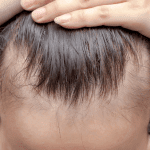
If you’re reading this, you might be facing one of the most unexpectedly difficult parts of your medical journey: watching your hair fall out. Perhaps you’ve just received a diagnosis, or you’re already in treatment and noticing changes in the mirror that make you feel like you’re losing a part of yourself.
Hair loss during medical treatment isn’t “just cosmetic.” It’s deeply personal. It can feel like losing your identity at a time when you’re already dealing with so much. But here’s something important to know: you have options, and taking steps to address your appearance isn’t vanity; it’s self-care.
We’re answering the most common questions on hair solutions for medical hair loss. We know that there’s a lot to understand, so this is a high-level overview. Please feel free to contact us if you need to know more.
Table of Contents
1. What are hair toppers, and how do they work?
Hair toppers are smaller hairpieces designed to cover specific areas of thinning or loss, typically at the crown or top of the head, while blending seamlessly with your existing hair.
These versatile solutions work exceptionally well for those experiencing partial hair loss or thinning. Unlike full wigs that cover the entire scalp, toppers integrate with your remaining hair, making them:
- Less noticeable and more comfortable for daily wear
- Available in various sizes and shapes to target specific areas
- Ideal for maintaining your natural hair while adding volume where needed
- Perfect for conditions like alopecia areata that cause patchy hair loss
2. Should you choose synthetic or human hair solutions?
Human hair offers the most natural look with complete styling versatility, while synthetic options provide convenience with pre-styled looks that maintain their shape.
Human Hair Systems
- Allow curling, straightening, and colouring just like natural hair
- Last longer with proper care
- Provide the most authentic appearance and movement
- Require more maintenance and higher investment
Synthetic Hair Systems
- Maintain their style with minimal effort
- More budget-friendly option
- Require less daily maintenance (ideal during treatment)
- Last 3-6 months with proper care
- Modern fibres look increasingly natural
3. What medical conditions commonly cause hair loss?
Chemotherapy, alopecia areata, and thyroid disorders are among the most common medical causes of hair loss, each presenting unique patterns and timelines.
Common Medical Causes
| Condition | Hair Loss Pattern | Timeline | Reversibility |
| Chemotherapy | Complete scalp coverage | Within weeks of treatment | Usually temporary |
| Alopecia Areata | Patchy, unpredictable areas | Variable, can cycle | Unpredictable |
| Thyroid Disorders | Overall thinning | Gradual | Often reversible with treatment |
| Radiation Therapy | Localised to treatment area | During/after treatment | May be permanent |
| Hormonal Imbalances | Diffuse thinning | Gradual | Often reversible |
Cancer treatments target rapidly dividing cells, which, unfortunately, include hair follicles. The extent depends on specific medications used, dosage, and individual response. Autoimmune conditions like alopecia areata cause the immune system to attack hair follicles, while thyroid disorders impact hair growth and texture.
4. Can hair solutions really restore confidence during treatment?
Yes! Hair enhancers provide immediate visual restoration, offering a sense of normalcy during uncertain health periods.
The psychological benefits extend far beyond vanity:
- Studies show that feeling good about your appearance positively impacts treatment compliance
- Helps maintain your identity during treatment
- Allows friends and colleagues to focus on your well-being rather than your appearance
- Provides privacy and dignity during personal health journeys
- Reduces unwanted questions about health status
Many individuals find that hair systems help them maintain professional and social lives with greater confidence, which can be particularly important during medical appointments, work, and social situations.
5. Are hair enhancers safe for sensitive scalps during treatment?
Modern hair enhancers are specifically designed for medical patients, featuring hypoallergenic materials and breathable construction for sensitive scalps.
During chemotherapy or other medical treatments, the scalp often becomes more sensitive. High-quality systems address this through:
- Soft, seamless cap linings that prevent pressure points
- Hypoallergenic materials that minimise irritation
- Breathable cap constructions
- Cooling properties or moisture-wicking materials
- Adjustable features for optimal comfort
Professional fitting becomes especially important for medical patients. Specialists trained in medical hair loss understand how to adjust and customise systems for optimal comfort, ensuring wearing a hair enhancer feels supportive rather than burdensome.
6. Why is a professional fitting essential?
Professional fitting provides optimal comfort, security, and a natural appearance while addressing specific medical treatment effects, such as scalp sensitivity.
What Happens During Fitting?
Initial Consultation:
- Detailed discussion about hair loss, lifestyle, and goals
- Assessment of scalp condition and remaining hair
- Recommendations based on your medical treatment timeline
Fitting Process:
- Precise measurements for proper sizing and placement
- Adjustments for comfort and security
- Demonstration of application techniques
- Styling to personal preferences
- Guidance on maintenance that works with energy levels
Follow-up Appointments:
- Necessary adjustments as you adapt
- Accommodation for changing needs during treatment
The expertise extends to colour matching, texture selection, and creating natural hairlines, which are skills that require specialised training to execute effectively.

7. How do you care for hair systems during medical treatment?
Regular cleaning, every 1-2 weeks, using gentle, sulphate-free products helps maintain scalp health and prevents irritation on sensitive skin.
Cleaning and Maintenance
Medical treatments affect scalp oil production and sensitivity, making personalised care essential:
- Use sulphate-free shampoos and avoid harsh chemicals
- Follow proper drying techniques to prevent damage
- Clean more frequently if you’re experiencing increased sensitivity or perspiration
- Consult your specialist for an optimal schedule based on treatment
Storage Best Practices
- Store on a wig stand or a mannequin head to maintain shape
- Keep in a cool, dry location away from direct sunlight
- Protect from dust, pets, and accidental damage
- Have an organised system for an easy daily routine
- Consider rotating between two systems for thorough cleaning
Managing Scalp Sensitivity
- Choose hypoallergenic adhesives and breathable materials
- Take temporary breaks if sensitivity develops
- Have alternative coverage options (soft hats, scarves)
- Use dermatologist-recommended scalp care products
- Communicate with your medical team and hair specialist about issues
Choosing the Right Hair Solutions for Medical Hair Loss: Key Factors
What should guide your choice during medical treatment?
Your scalp condition, expected duration of hair loss, energy levels for maintenance, and treatment timeline should all influence your selection.
Consider these factors:
- Lifestyle needs: Limited energy favours low-maintenance options
- Appearance priorities: Professional requirements may warrant human hair investment
- Budget: Account for the extended duration of use during treatment and recovery
- Insurance coverage: Some plans cover medical hair loss systems
How do you find the best fit?
Open communication with professionals about your medical situation helps them recommend appropriate solutions. Be honest about:
- Treatment timeline and scalp sensitivity
- Lifestyle and energy levels
- Maintenance preferences
- Budget concerns
- Aesthetic goals (bring photos of desired look)
Many specialists offer flexible payment plans or trial periods, which can help reduce financial stress during medical treatment.

We’re Here to Help
If you’re feeling overwhelmed right now, take a breath. You don’t have to figure everything out today. Hair loss might feel like one more thing you can’t control in a situation where so much already feels out of your hands. But this is one area where you actually do have choices and options.
Some days, you might not care about your hair at all. Other days, it might feel like the most important thing in the world. Both reactions are completely normal, and you’re allowed to change your mind about what matters to you. There’s no “right” way to feel about losing your hair, and there’s no pressure to do anything you’re not ready for.
When you are ready to explore hair solutions, know that modern systems have come so far. They’re designed by people who understand what you’re going through; professionals who’ve worked with thousands of medical patients and genuinely care about helping you feel like yourself again.
Wanting to feel beautiful, confident, or simply “normal” during treatment isn’t shallow. It’s human. It’s self-compassion. And it can be a powerful part of your healing journey.
You’re already showing incredible strength by researching your options. Whatever you decide, whether it’s a full wig, a small topper, or simply a collection of beautiful scarves, the right choice is whatever makes you feel most comfortable and confident. Your feelings matter, your comfort matters, and you matter.
We warmly invite you to get in touch with our gentle team to answer any questions you may still have.