When hair loss becomes part of your cancer journey, it’s natural to focus on what you’re losing. But understanding what comes next—the regrowth process—is equally important.
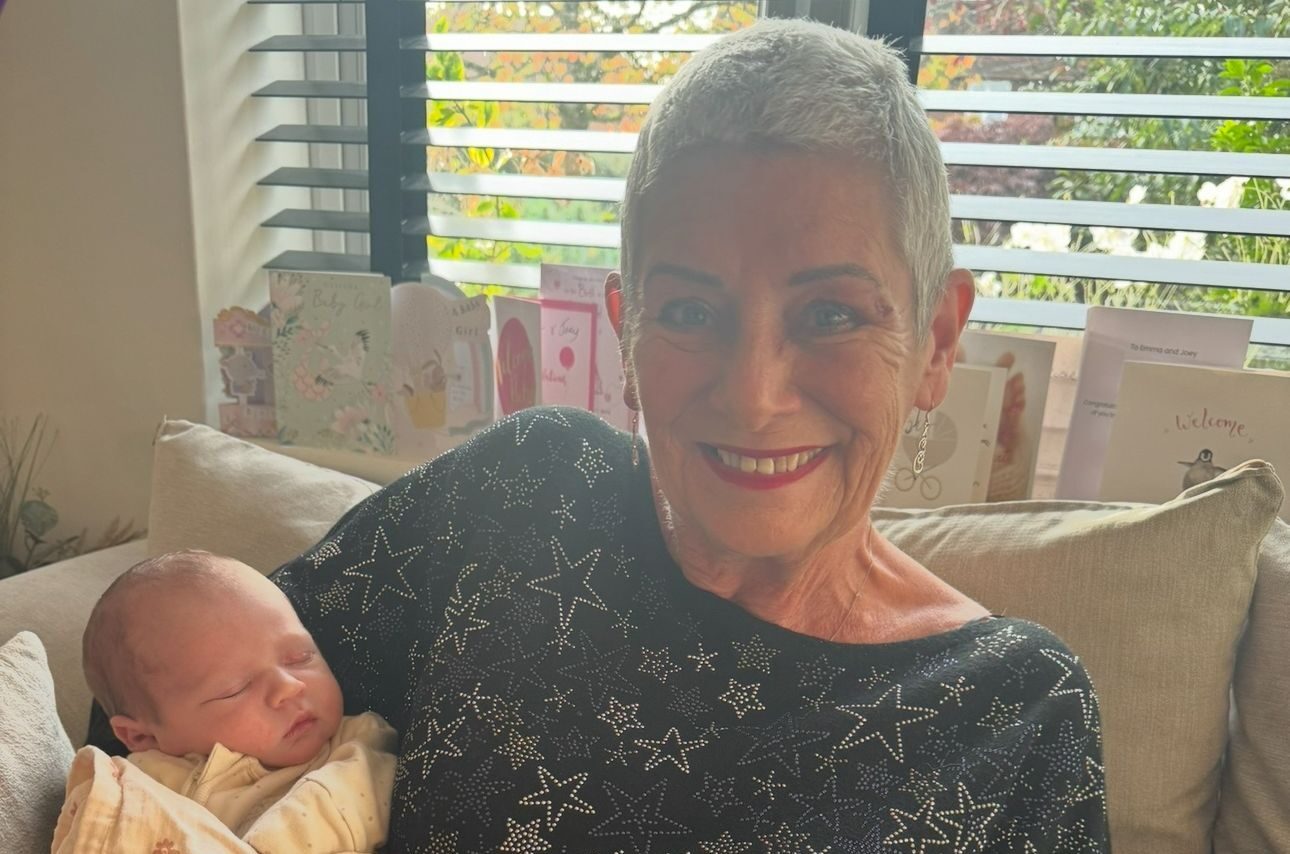
Amanda, owner of Hair to Ware salon, knows this journey intimately from both sides: as someone who has lived with alopecia since age 14 and as a daughter who recently supported her mother, Pat, through chemotherapy treatment.
With decades of experience in medical hair loss solutions and specialised training as a hair loss professional, Amanda offers practical guidance to help you work through the often-overlooked regrowth phase, answering common questions to set your mind at ease.
Will My Hair Grow Back After Chemotherapy?
Your hair will grow back after chemotherapy in the majority of cases, though the timeline may surprise you. Many people expect immediate regrowth once treatment ends, but the reality is more gradual. Understanding this timeline helps set realistic expectations and reduces anxiety during the waiting period.
Hair regrowth typically begins around six months after your final chemotherapy session. This timeframe can vary depending on the specific medications used and individual factors, but patience during these early months is essential. Your body needs time to recover and for dormant hair follicles to reactivate.
It’s worth noting that there are always caveats when dealing with individual responses to different medicines.
Permanent or lasting hair loss after chemotherapy is uncommon, occurring in only a small percentage of patients. Most people experience some degree of temporary hair thinning or loss, but complete regrowth is the most common outcome, though it can take several months or even years. Factors that can influence regrowth include the type of chemotherapy, individual response, and whether scalp cooling was used. (If hair loss persists after chemotherapy, we recommend that you visit a dermatologist.)
- A multicenter survey study (2019) reported that approximately 4% of breast cancer patients had less than 30% scalp hair recovery two years after chemotherapy, with no improvement observed up to five years later. This low rate of hair regrowth corresponds to permanent or lasting hair loss.
- A 2018 study published in the Journal of Investigative Dermatology and other sources examining Permanent Chemotherapy-Induced Alopecia (PCIA) highlighted that PCIA, though recognised, affects only a small percentage of patients, particularly those treated with taxane-based chemotherapies.
- A 2021 study focusing on taxane chemotherapy reported permanent hair loss in a minority of patients; the overall consensus from multiple sources is that lasting hair loss is not common but can occur.
Once that initial growth appears, it needs gentle care to flourish. What does this look like?
What Are Chemo Cuts and When Do I Need Them?
Chemo cuts serve two distinct purposes depending on where you are in your treatment journey. Understanding both types helps you prepare for what’s ahead and regain a sense of control during an uncertain time.
Before and During Treatment
A chemo cut before or during chemotherapy involves cutting or shaving your hair in preparation for treatment-induced hair loss. Many people choose to cut their hair short or shave their head before their hair begins falling out.
This proactive step can make the change less distressing and help hair loss appear less noticeable as it progresses. Importantly, cutting your hair short before or during chemotherapy does not affect new hair growth; your hair follicles beneath the scalp remain intact and unaffected by the cut itself. Additionally, we would only ever go down to a grade 3 (the lowest on clippers) to prevent ingrown hair.
After Treatment During Regrowth
Post-chemotherapy chemo cuts are specialised trims designed to manage new hair as it grows back. Most clients require three to four of these cuts during the regrowth phase, with the first typically scheduled approximately eight weeks after treatment concludes. These haircuts help manage the unique texture changes that often occur. For example, straight hair may grow back curly or wavy, a phenomenon known as “chemo curls.”
The initial new growth appears very fine, like delicate peach fuzz, and may grow unevenly. Regular trims during this phase help style and shape your hair through these awkward growth stages, making the transition more comfortable and manageable. These cuts serve both practical and emotional purposes, often symbolising recovery and the beginning of a new chapter beyond treatment.
How Long Should I Wait Before Colouring My Hair?
Wait at least six months before considering any hair colour treatments to protect fragile new growth. Your new hair needs time to strengthen and develop its natural structure. Even then, professional colour application is essential. (Never use box dyes during this delicate phase.)
Between six and twelve months post-treatment, you’ll notice substantial changes in hair texture and length.
When you’re ready to colour, always choose semi-permanent options for your first few treatments. These gentler formulas work with your hair rather than against it. A patch test before every colouring session is non-negotiable, even if you’ve used the same product previously. Chemotherapy can alter scalp sensitivity, making this simple precaution vital for your safety and comfort.
For the first year, avoid bleach, perms, and chemical straightening treatments. These harsh processes can compromise your recovering hair and potentially damage new growth that’s still establishing itself.
Can I Continue Wearing My Wig During Regrowth?
Wearing your wig during the regrowth phase will not stop or slow your hair from growing back. Medical wigs are specifically designed to accommodate all stages of your journey, from full hair to complete loss to regrowth. Your wig provides continuity and confidence while nature takes its course beneath.
At Hair to Ware, we guide clients on optimal wig-wearing techniques for each regrowth stage, including recommendations for gripper bands or internal clips depending on your current hair situation. The key is ensuring comfort while protecting delicate new growth.
Finding Support Throughout Your Journey
Amanda’s mother, Pat, exemplifies the transformation possible with proper care and support. Eighteen months after completing chemotherapy, Pat’s hair has recovered beautifully! A testament to patient, informed care during the regrowth phase.
At Hair to Ware, specialised training in medical hair loss means you receive evidence-based guidance tailored to your unique situation. This journey requires both practical knowledge and emotional support, and you deserve professionals who understand both aspects intimately.
If you have questions, we invite you to get in touch with our gentle, compassionate team. We’re here to help.