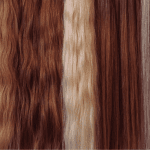
Have you ever wondered why some wigs and hair systems tend to tangle easily while others remain silky smooth? Some look soft and natural, and others look shiny or – well – hard. The secret generally lies in the type of hair used.
If you’re considering a wig for medical reasons, or you’re concerned about thinning hair and would like to know what the best options are, then you’ve probably asked yourself, “What is Remy hair?”
Remy hair is renowned for its natural movement and longevity, making it a preferred choice for many. But what exactly is Remy hair, and how does it differ from other types?
Let’s explore these questions together, so you know exactly what you’re looking for and what questions to ask.
What Is Remy Hair?
Remy hair refers to human hair where the cuticles are kept intact and aligned in the same direction from root to tip.
The alignment of the cuticles is a big deal. When they are all facing the same way, the hair is less likely to tangle. It remains soft and easy to manage. When used in wigs or other hair systems, Remy hair maintains its natural appearance and texture. It’s most often sourced from ponytails, ensuring consistency in quality.
Virgin Hair vs. Remy Hair
While both virgin and Remy hair are 100% human hair, virgin hair has never undergone chemical treatments, colouring, or processing.
It’s collected from a single donor and is considered the purest form of hair. Remy hair, on the other hand, may have been colored or treated. This makes virgin hair an excellent choice for those seeking the most natural and unprocessed option, while Remy hair offers versatility with maintained quality.
Why Do Many Prefer Remy Human Hair Extensions?
Remy human hair offers several benefits:
- Natural Look and Feel: The intact cuticles provide a soft, natural appearance and texture.
- Durability: With proper care, Remy hair systems can last longer than non-Remy alternatives.
- Styling Versatility: They can be styled, coloured, and treated like your natural hair.
These qualities make Remy hair systems a preferred choice for those who want the most natural look and feel, and who want it to last.
Real Human Hair vs. Synthetic Hair
The fact is, real human hair beats synthetic hair every time. Real human hair, especially Remy, can handle styling, colouring, and treatments just like your own hair. Synthetic hair is cheaper, but it lacks genuine movement and styling versatility, making real human hair the better choice if you want a natural look and feel.

How to Spot Quality Hair Systems
What can you do to quickly determine if the hair you’re looking at is actually of good quality? Here’s what you should check:
- Texture Test: Run your fingers through the hair. Good hair feels smooth, silky, and free of rough patches.
- Check for Shine: High-quality hair has a natural shine, not overly glossy, but healthy-looking.
- Tangle Test: Gently comb through the hair. Quality hair should untangle easily without excessive shedding.
These quick and easy checks will help you find hair extensions or wigs that look and feel amazing.
Is Chemically Treated Hair Bad?
Not necessarily. Chemically processed hair can look great at first—think colours and perms—but over time, additional styling can weaken the hair. If you want extensions or hair systems that stay healthy and look real, it’s best to start with hair that’s been minimally processed.
Why Salons Love Remy Hair
Have you ever wondered why hair salons swear by Remy hair? Simple—it makes clients happy! Remy hair looks incredibly natural, styles easily, and lasts longer. It’s the professional’s top choice for fantastic results every single time.
Why Go Natural?
Nothing beats natural hair for that authentic look and feel. It blends perfectly with your own hair, making it almost impossible to tell that you have a hair system in place. Plus, unlike synthetic alternatives, real human hair handles heat styling, regular washing, and even colouring with ease. If versatility is your thing, natural hair is the way to go.
How Do I Care for Remy Hair?
Taking care of Remy human hair extensions or wigs is simple, but a bit of TLC goes a long way:
- Wash Gently: Stick to sulphate-free shampoos and conditioners.
- Brush Gently: Use wide-tooth combs or soft-bristle brushes to avoid tangles.
- Keep Heat Low: Limit the heat styling to keep your hair system healthy.
Give your Remy hair the care it deserves, and it’ll reward you by staying gorgeous and easy to manage for years!
Are Quality Wigs Worth the Investment?
Absolutely! Buying quality wigs is definitely more pricey, but they are definitely worth it. High-quality, real human hair wigs don’t just look and feel amazing; they’re durable and super versatile. In the long run, you’ll actually save money (and frustration) by not having to replace them constantly.
Important Questions for Your Hair Salon
Here are ten important questions a medical wig wearer should ask the salon when buying and fitting a wig:
- What type of hair is used in your wigs? (100% human hair, synthetic, or a blend)
- Do you offer custom sizing or only standard sizes to ensure a proper fit?
- Is the wig cap adjustable, and what type of cap does the wig have? (This affects comfort and fit.)
- How do I care for and maintain my medical wig at home? Are there recommended washing and styling methods?
- How long can I expect my wig to last with proper care?
- Is my medical wig covered by insurance, and do you assist with insurance billing?
- What is the turnaround time from consultation to receiving my wig? Do you have wigs in stock for immediate purchase?
- What options do you offer for wig base materials and hair textures? How do these affect price and comfort?
- Are there any styling limitations with the wig? Can it be heat-styled or coloured?
- What services do you provide for wig fitting adjustments and ongoing maintenance?
These questions help ensure the wig meets your needs, fits comfortably, suits your lifestyle preferences, and that you understand all the relevant care and financial aspects.
Choosing Quality Hair, Ethically Sourced
The global demand for human hair wigs and extensions has highlighted some concerning ethical issues, particularly regarding the sourcing and processing of the hair.
Much of the human hair used in wigs comes from low-income communities in developing countries, where women and sometimes children may sell their hair out of financial necessity. Unfortunately, this can lead to exploitation, as many donors receive little or no compensation or may even be coerced into selling their hair.
In a largely unregulated industry, there have been alarming reports of hair being stolen from religious temples, taken against a person’s will, or even harvested from cadavers. These practices raise serious questions about fairness, consent, and the dignity of those providing the hair.
Choosing wig suppliers and salons that are committed to ethical sourcing, such as Follea, is essential for supporting responsible practices in the industry. Ethical sourcing means ensuring that hair is collected from willing donors who are treated with respect and paid fairly for their contributions.
Reputable companies also prioritise transparency, providing clear information about their sourcing and manufacturing processes and ensuring fair labour practices throughout their supply chains.
Where To From Here?
If you’ve been thrust into a situation where you need to start making big decisions on wigs or hair systems, then let us help.
Our gentle and compassionate team here at Hair to Ware have a range of options available to you based on your budget and your needs. Our focus is to help you to look and feel like the very best version of yourself.
If you’ve asked the question, “What is Remy hair?” then we hope you’ve found what you’re looking for. If you have more questions, please don’t hesitate to contact us.